Niacin: An Old Vitamin with New and Surprising Benefits

Beyond its role in cardiovascular health, niacin has a long and fascinating history (and future) in medicine.
Statins reduce Alzheimer’s Disease and Dementia: Protecting our heart AND our brain!

Contrary to popular fears, a growing body of high-quality research suggests that statins may protect brain health rather than harm it — particularly in the long term.
Body Composition Scanning: A Focus on Visceral Fat

When it comes to improving your health, the number on the scale only tells part of the story. A more complete picture
Protecting More Than Your Skin: What Shingles Teaches Us About Brain and Heart Health

Most of you know about shingles — a painful, blistering rash caused by the reactivation of the chickenpox virus (varicella-zoster virus). But recent research is revealing that shingles is more than just a skin condition. It can also affect our heart and brain health in significant ways.
Lipoprotein(a): Reviewing the Significance and Looking to the Future
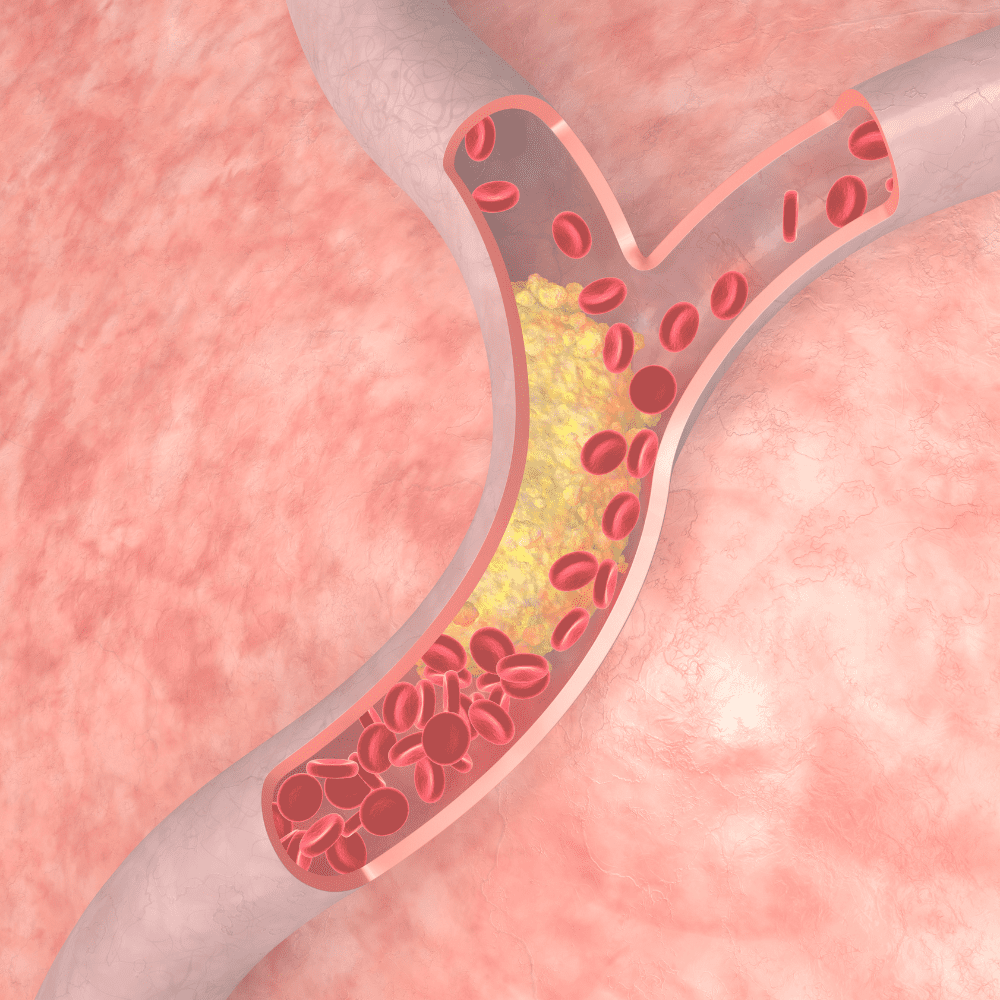
Our commitment to comprehensive cardiovascular care has been steadfast for more than 20 years, and this includes evidence-based
Addressing Gender Bias in Cardiovascular Disease Care for Women

February is Women’s Heart Month, a time dedicated to raising awareness about cardiovascular disease (CVD), the leading cause of death among women globally
Surgeon General’s 2025 Warning on Alcohol and Cancer: What You Need to Know

In January 2025, the U.S. Surgeon General issued a groundbreaking warning on the link between alcohol
Dr. Amy’s Foreword to The Balanced Plate

The Balanced Plate addresses a gap in healthcare for clinicians, patients and families. Over the past 25 years, I have been caring for patients who come to me after receiving generalized recommendations to “eat better,”
November is Diabetes Awareness Month: Understanding the Impact of Diabetes and the Importance of Prevention

November is Diabetes Awareness Month, a time to shed light on a condition that affects more than 34 million Americans and nearly 500 million people worldwide. Diabetes is a metabolic disorder that impacts the way the body processes glucose (sugar).